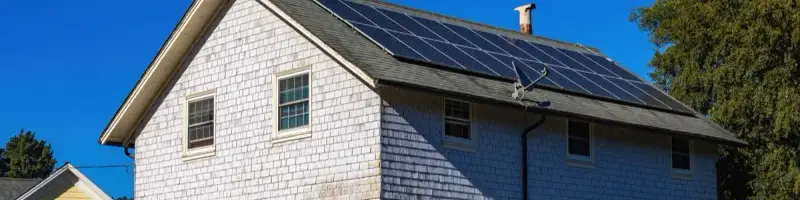
South Bend Roof Pros: Roof Replacement, Repair & Ventilation
Expert residential and commercial roofing services. Free attic-first inspections across South Bend and Michiana, with the snow-load and ventilation findings written into every proposal.
- St. Joseph County Building Contractor Registration, bonded and insured
- Free attic-first inspections with photographs and moisture readings
- Ventilation math and snow drift zones named in every proposal
- Written workmanship warranty on every roof we install
Our Roofing Services in South Bend, IN
Roof Replacement
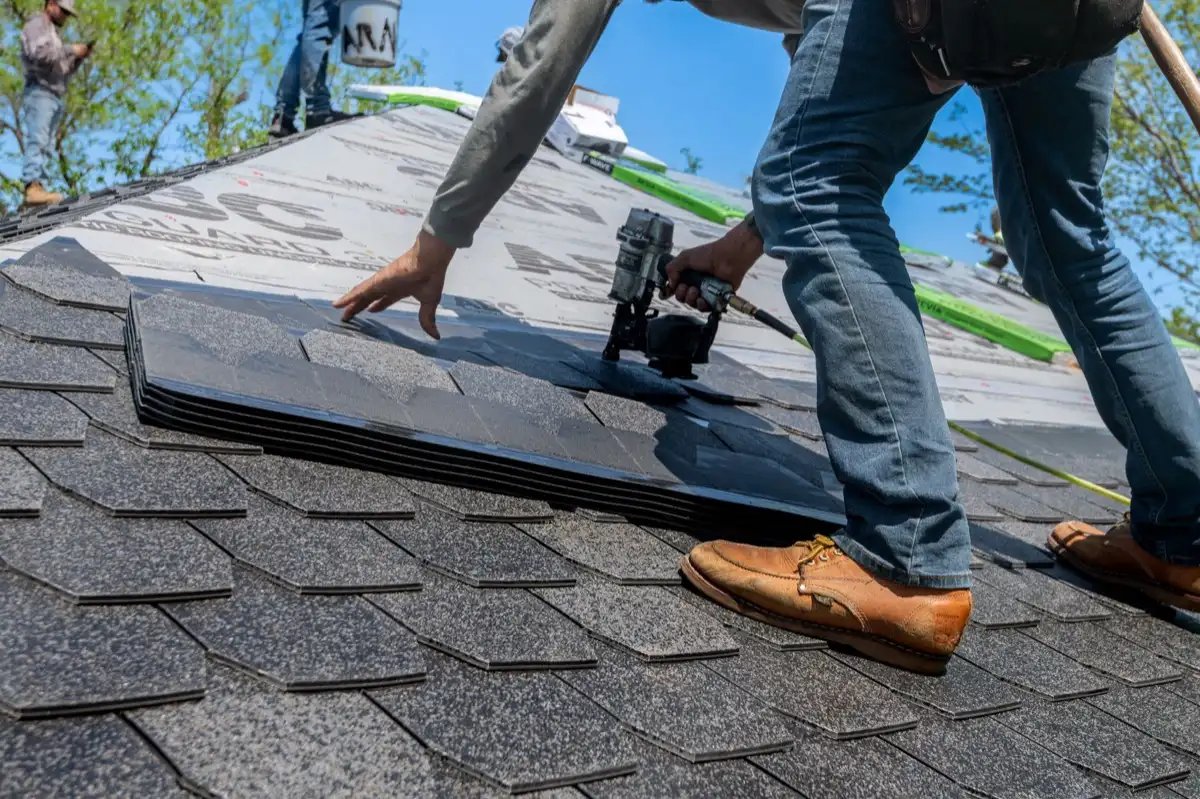
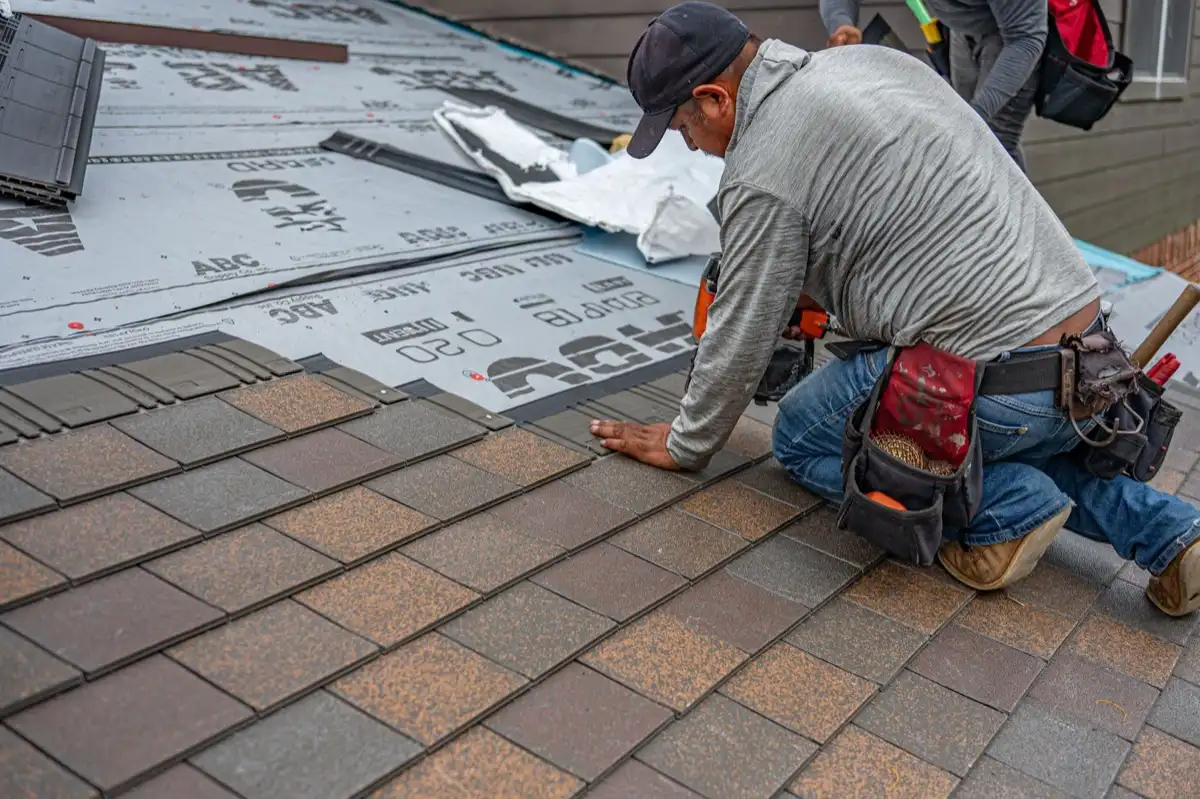
A tear-off here answers a structural question before it answers a cosmetic one. Once the old shingles come off, we can finally see what has been holding the snow up: rafter size, rafter spacing, the type of decking, and whatever a previous crew decided to do at the eaves.
Roof Leak Repair
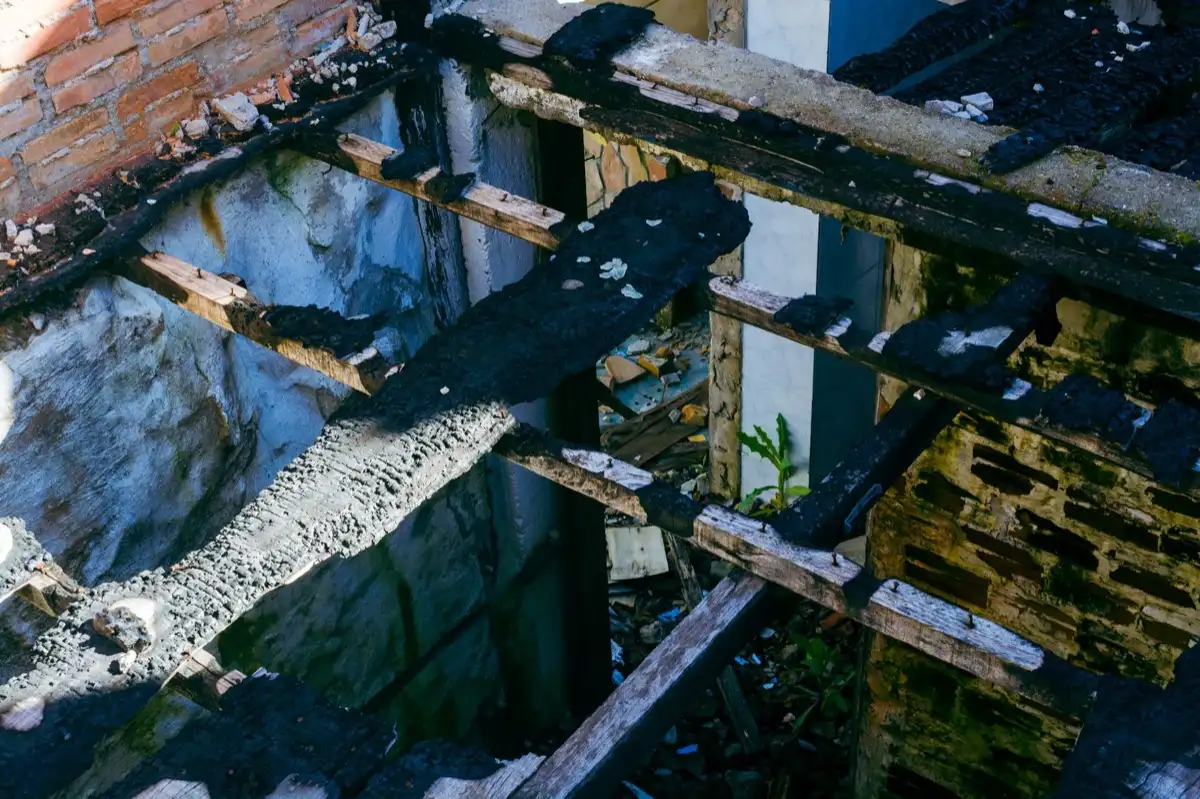
If you are reading three roofers' pages and deciding who to call, this one is written for that. Here is exactly how we scope a leak, what we charge for, what a repair can honestly fix, and the point at which we will tell you to stop repairing and replace.
Storm Damage Restoration
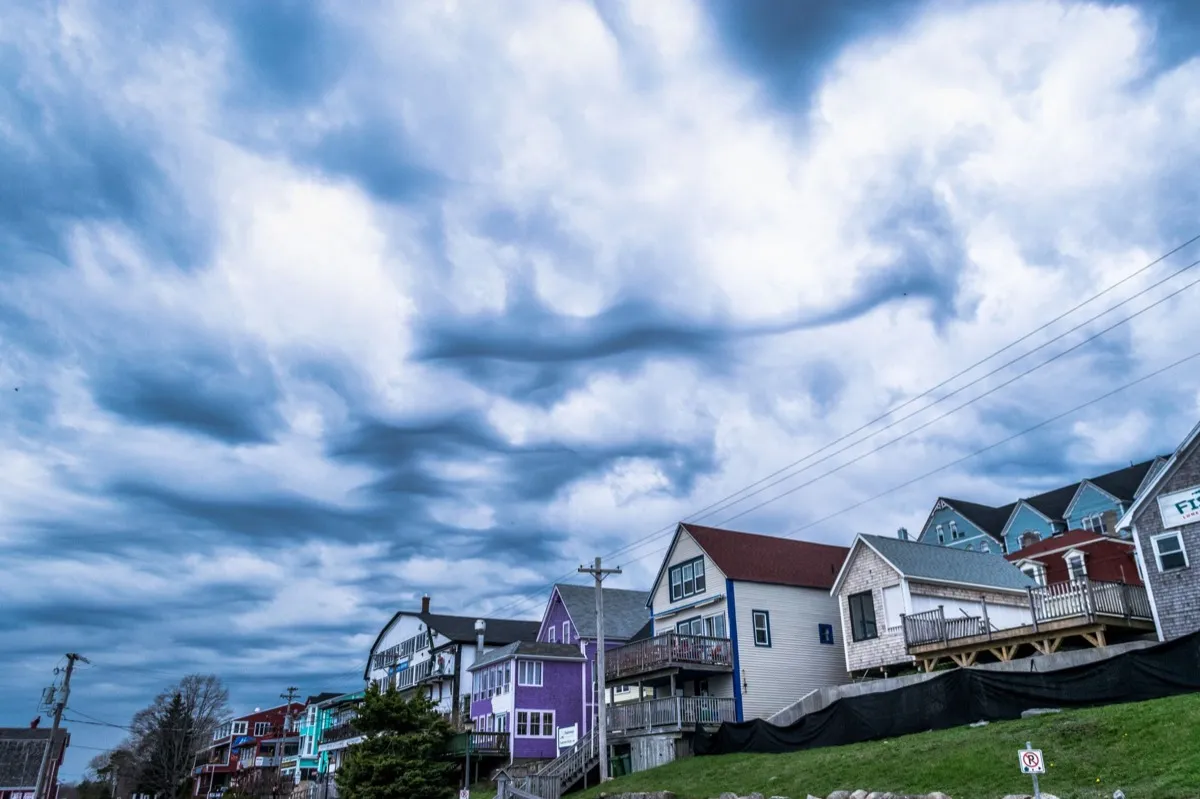
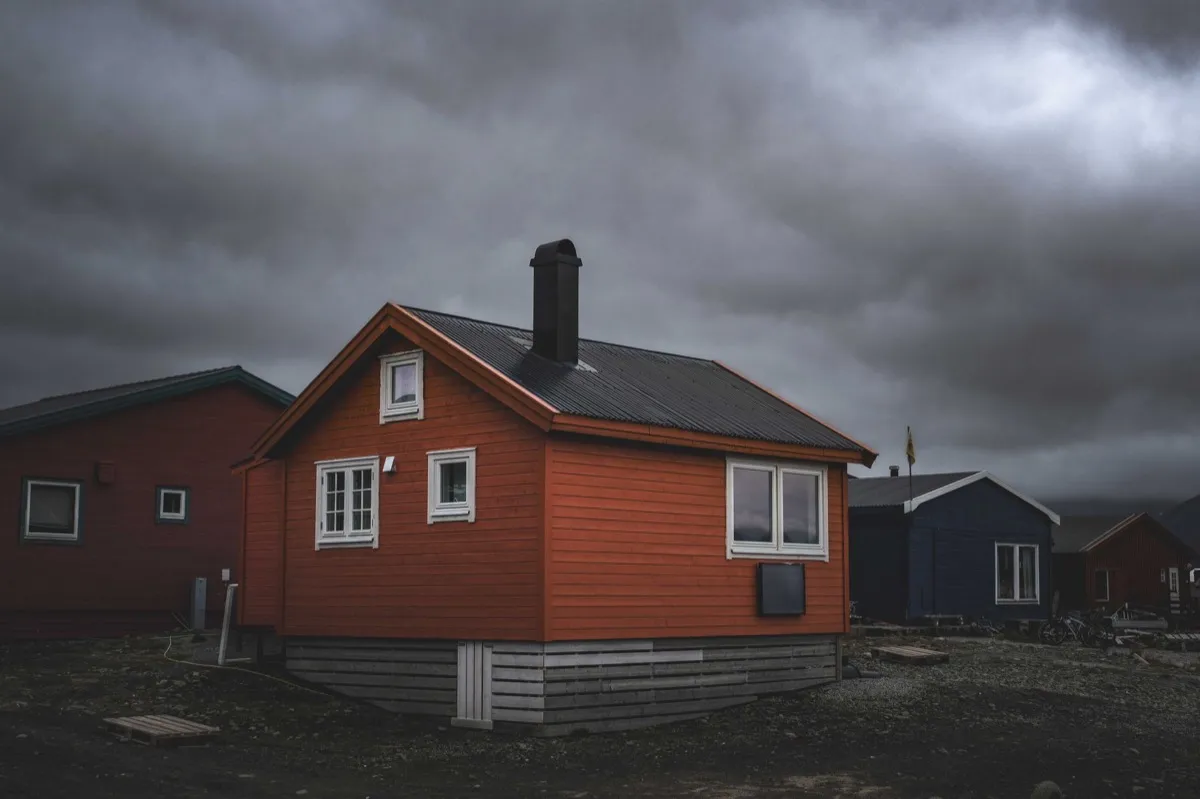
The weather that takes roofs apart in northern Indiana is not what the national ads show. It is straight-line wind rolling in off open farmland, and it is weight: a lake-effect run that lays down two feet of dense wet snow and then leaves it sitting there for three weeks.
Hail Damage Roofing
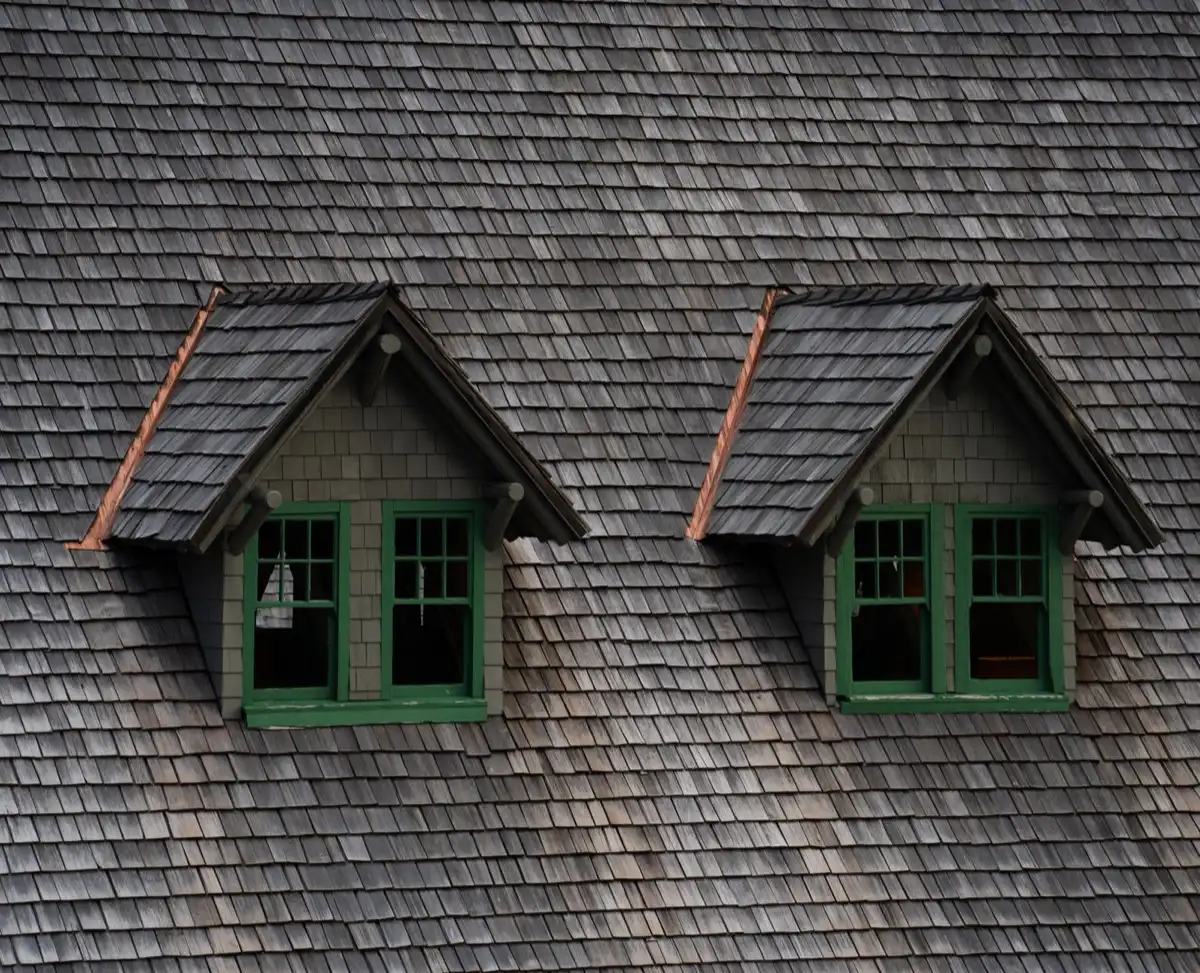
Hail reaches St. Joseph County most springs, and some of it does real damage.
Wind Damage Roofing
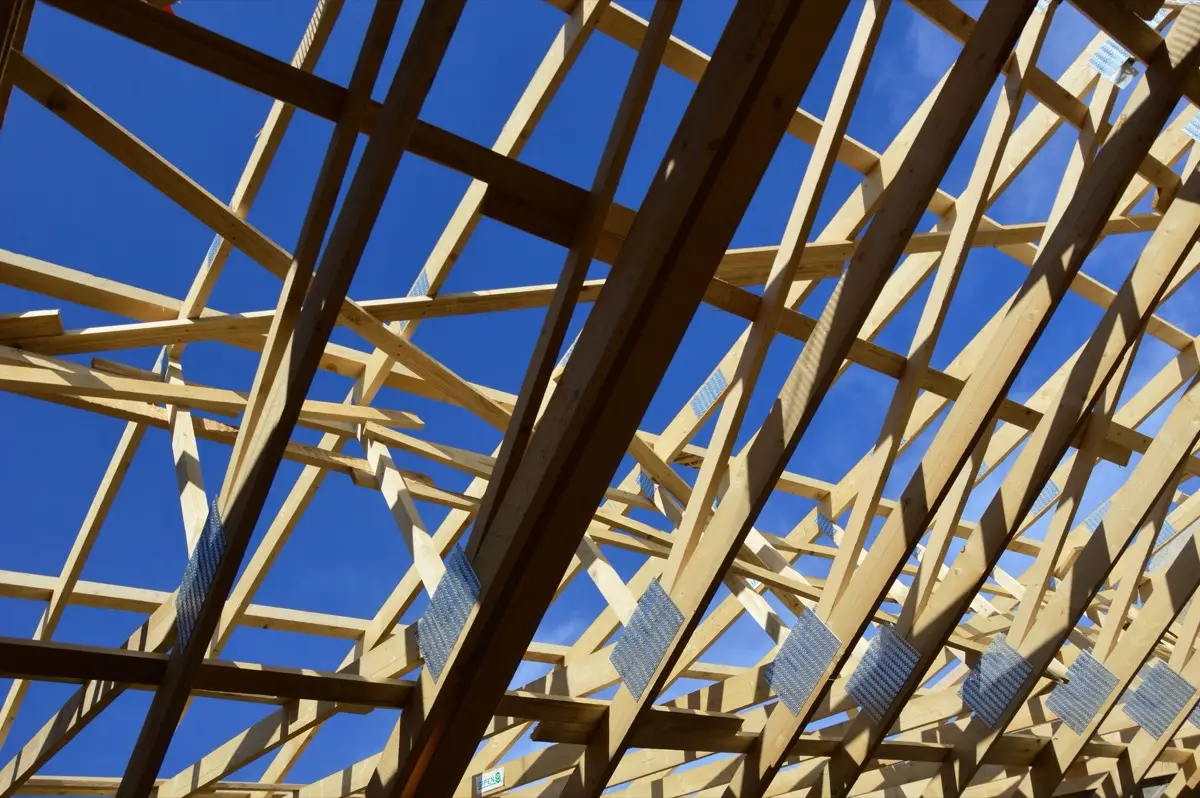
Wind here arrives with a long fetch behind it, across open fields to the west and south and off the lake to the north. It finds the same places on every house: the windward eave, the gable rakes, the ridge caps, and the first course above a dormer.
Roof Inspections
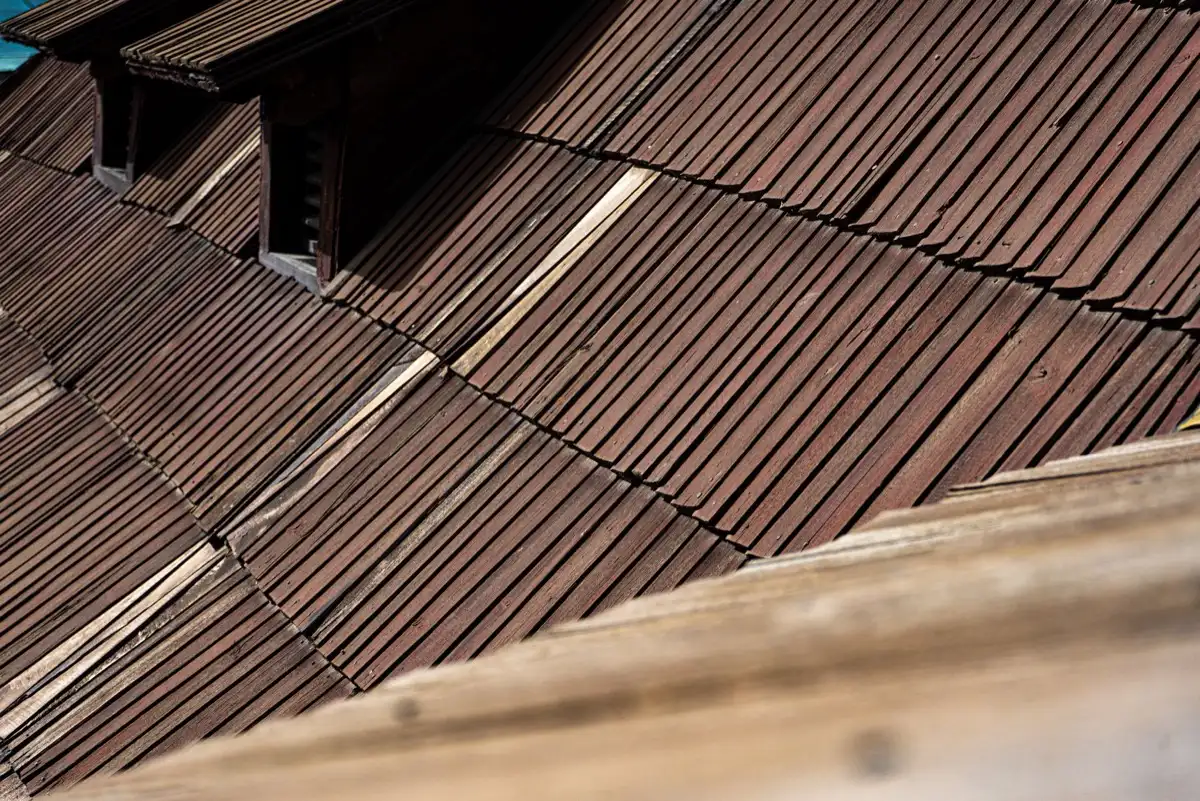
Our inspection starts inside, in the attic, and that is not a stylistic choice. Almost everything that shortens a roof's life in this climate is visible from underneath months before it shows up on the shingles.
Asphalt Shingle Roofs
Asphalt covers most roofs in this city and it should. The question is not whether to use it but which grade, and how it gets installed between October and April, which is when a lot of this work actually happens.
Metal Roofing
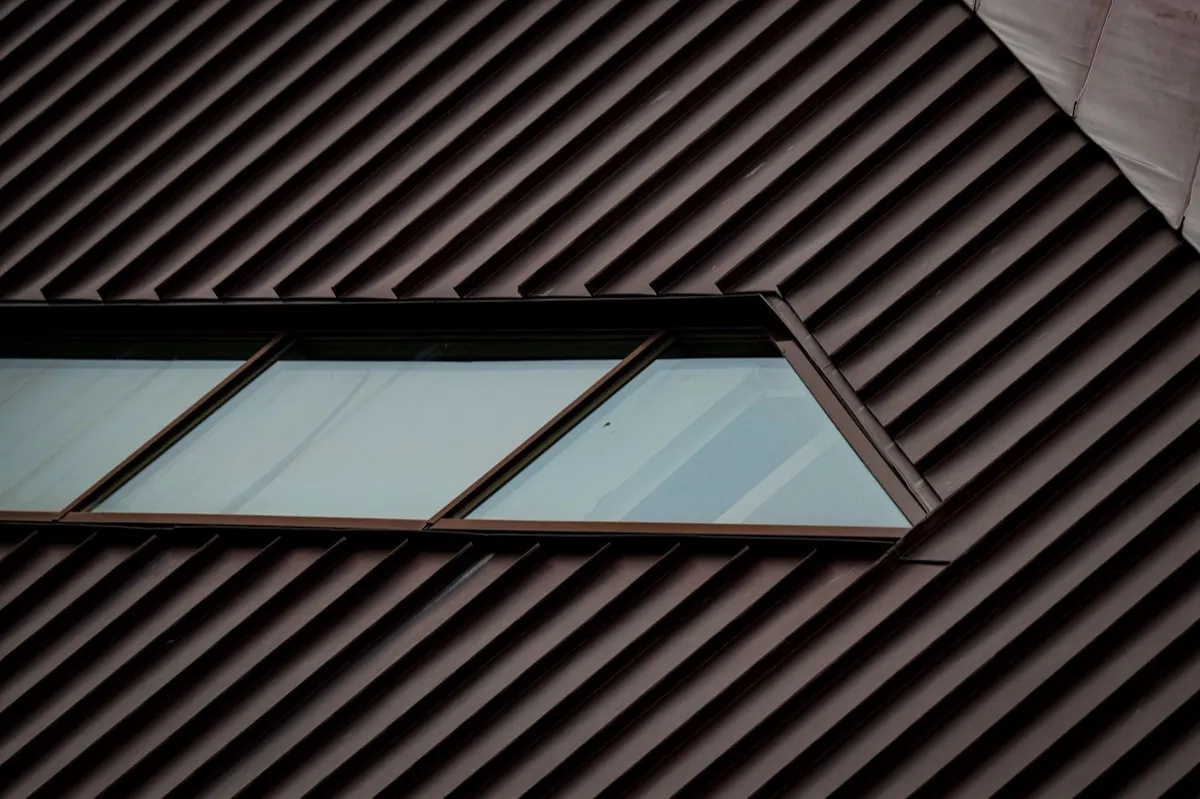
Metal sheds snow. That is the reason to put it on a roof in this city, and it is also the reason a metal roof can be the wrong choice in specific spots.

Tile Roofing
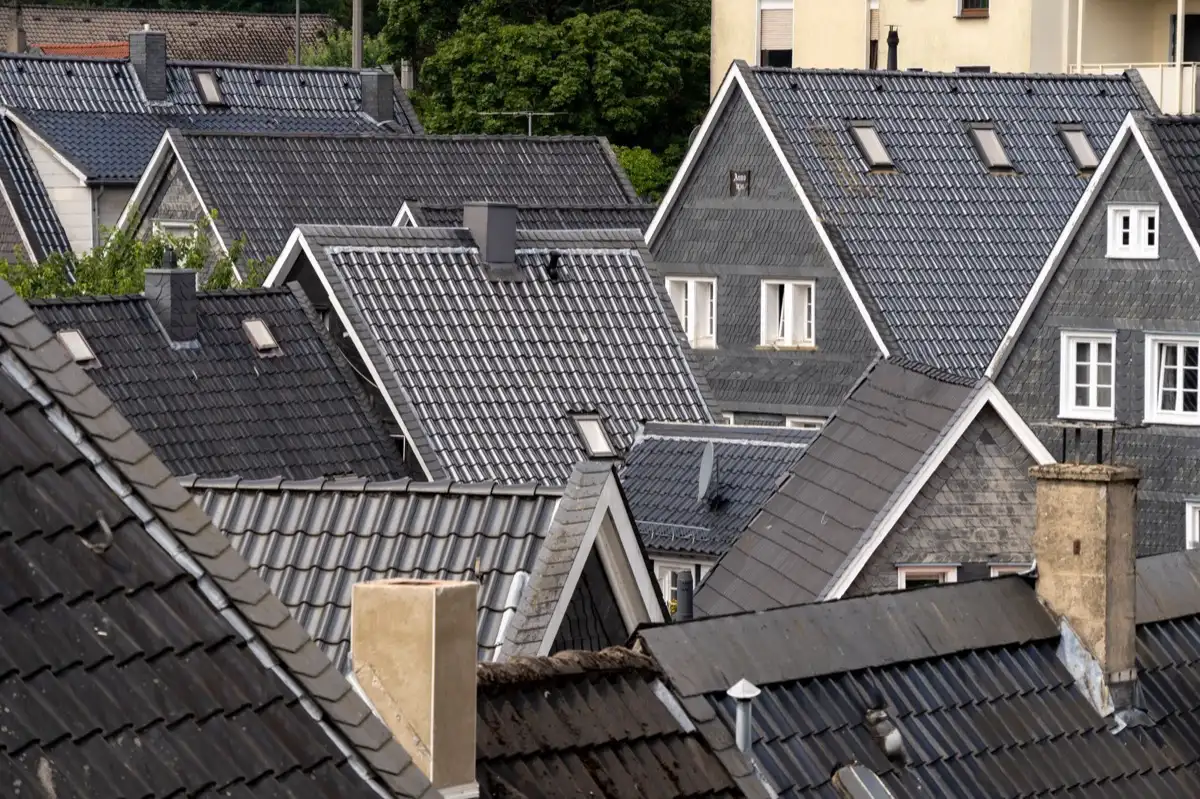
This is the page where we talk you out of something. Northern Indiana has very little tile roofing, and there is a structural reason for that, not merely a stylistic one.

Flat & Low-Slope Roofing
Flat roofs on houses in this city are almost never the main roof. They are porch roofs, shed dormers, sunroom additions, and detached garages, and they share one problem that drives every design decision we make on them.
Roof Coatings & Sealing
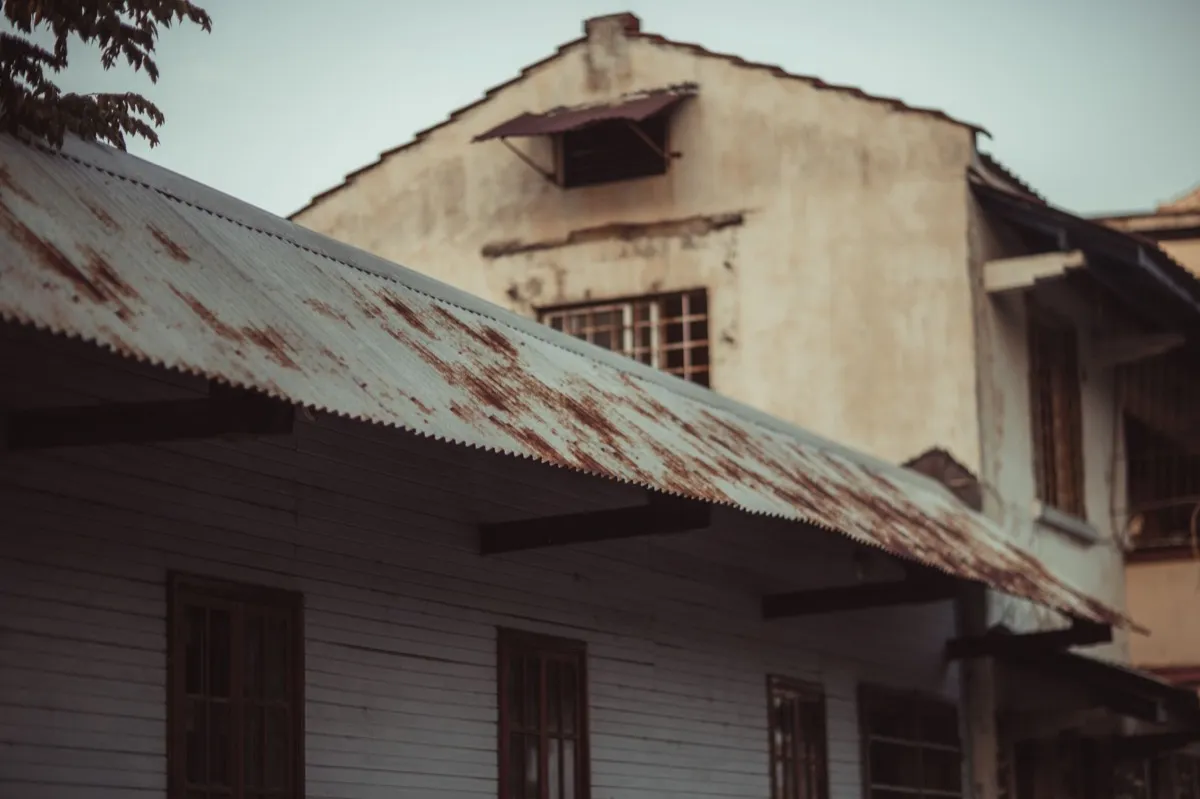
Coatings are sold hard in this trade and they are frequently the wrong purchase in northern Indiana. We install them where they work and we say no where they do not, so it is worth explaining exactly where that line sits.
Roof Ventilation
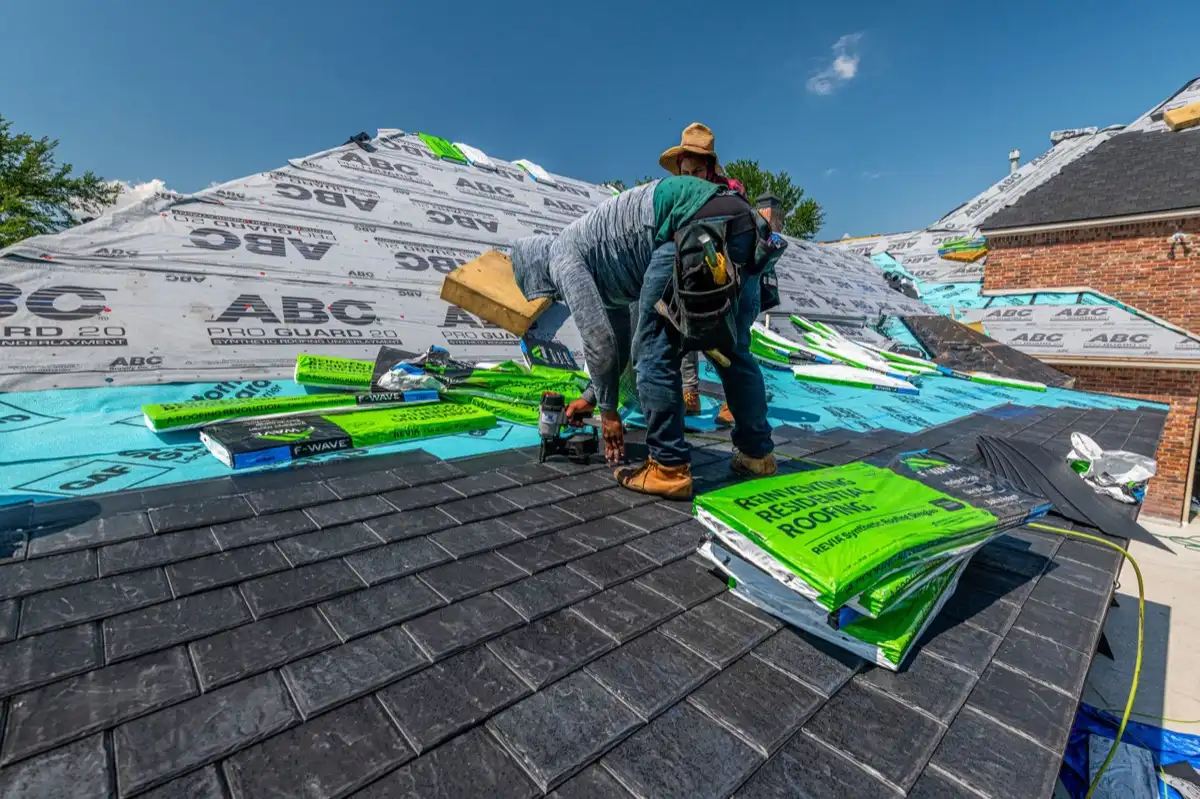
This is the page the rest of this site reasons from. In a climate that holds a snow pack for weeks, the single most useful thing you can do for a roof is keep the deck the same temperature as the outside air.
Skylights
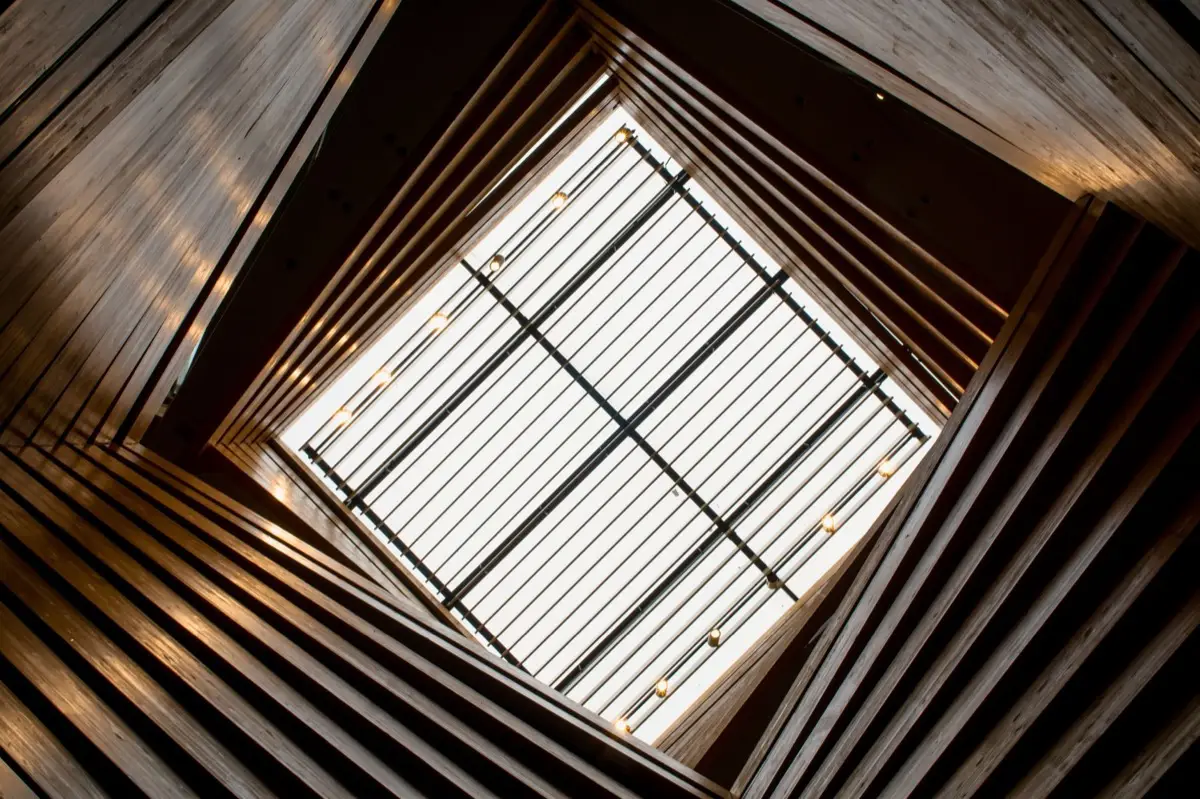
A skylight is a warm object set into a cold roof, which is why the details that matter here are different from the details that matter in a mild climate. Get them right and a skylight lasts decades.
Gutters & Downspouts
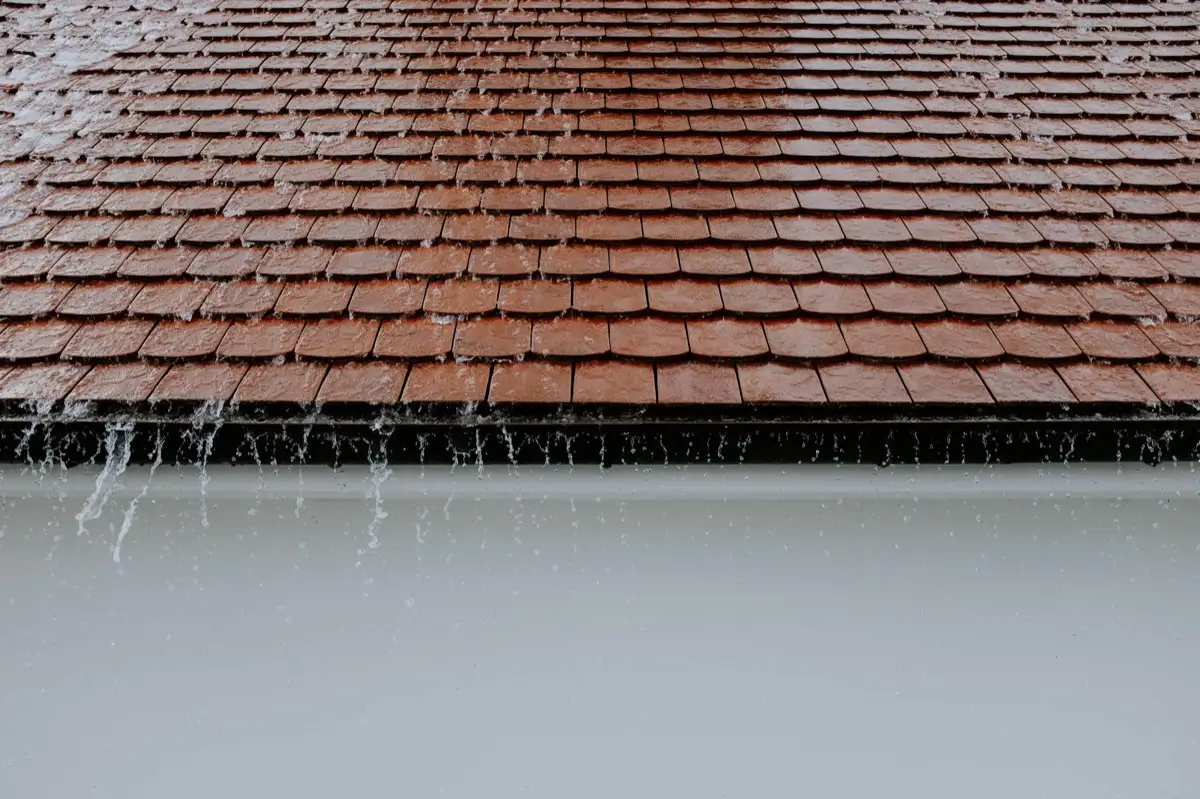
Gutters in this city are an ice problem before they are a rain problem. A trough full of frozen water weighs a great deal per foot, and most of the gutters we replace did not rust out or wear out.
Fascia & Soffit
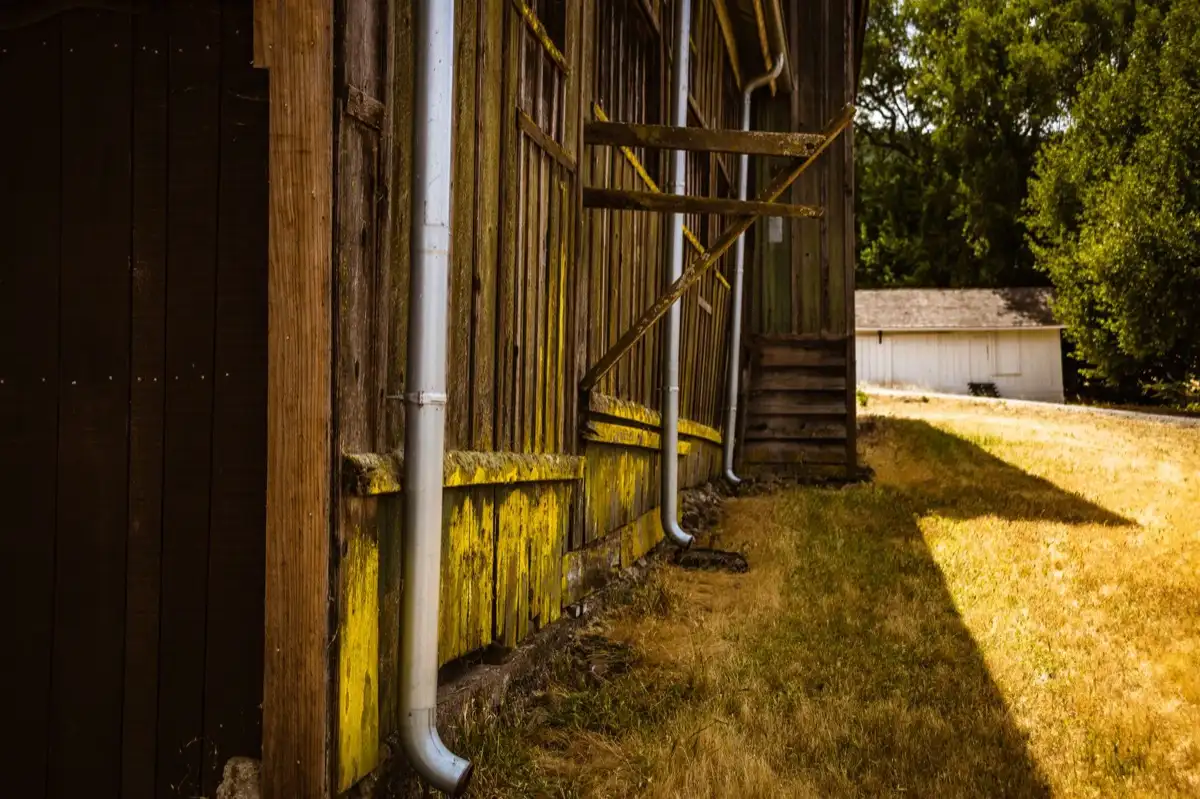
Soffit work looks like trim carpentry and functions as ventilation. The soffit is the intake half of a cold roof, so on this site it belongs in the same conversation as ridge vents rather than in the same one as siding.

Chimney Flashing
Chimneys leak more than any other single detail on the roofs we work on, and in this city they leak for a reason connected to snow rather than rain. The upslope side of a chimney is a wall standing in the path of everything coming down the roof.
Emergency Tarping
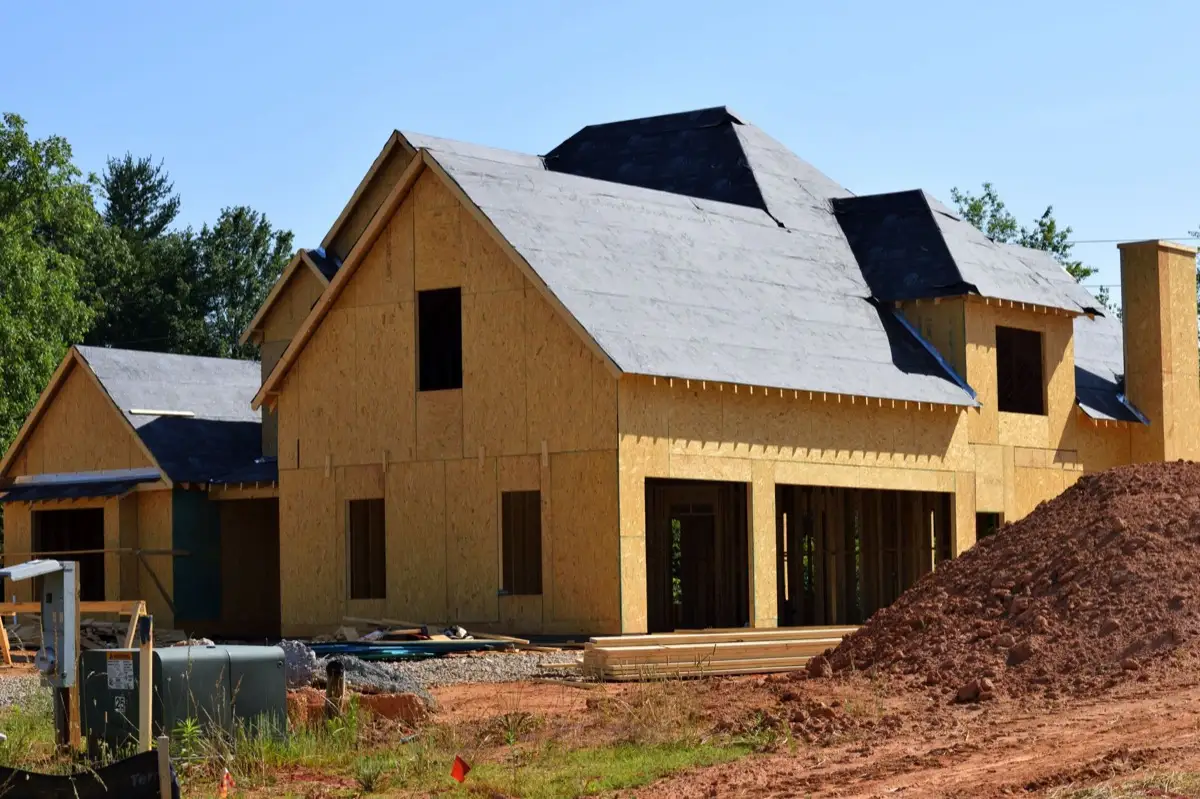
Emergency work in winter is a different job from emergency work in July, and pretending otherwise gets people hurt. A tarp on a frozen 8:12 slope in wind is not a service call, it is a hazard, and part of the job is knowing which nights we say no.

Commercial Roofing
Commercial roofs in this market carry a load problem that most published assemblies do not account for on their own. Flat and low-slope roofs collect snow, and the wind then redistributes it into the places where the roof changes height.
Insurance Claim Help
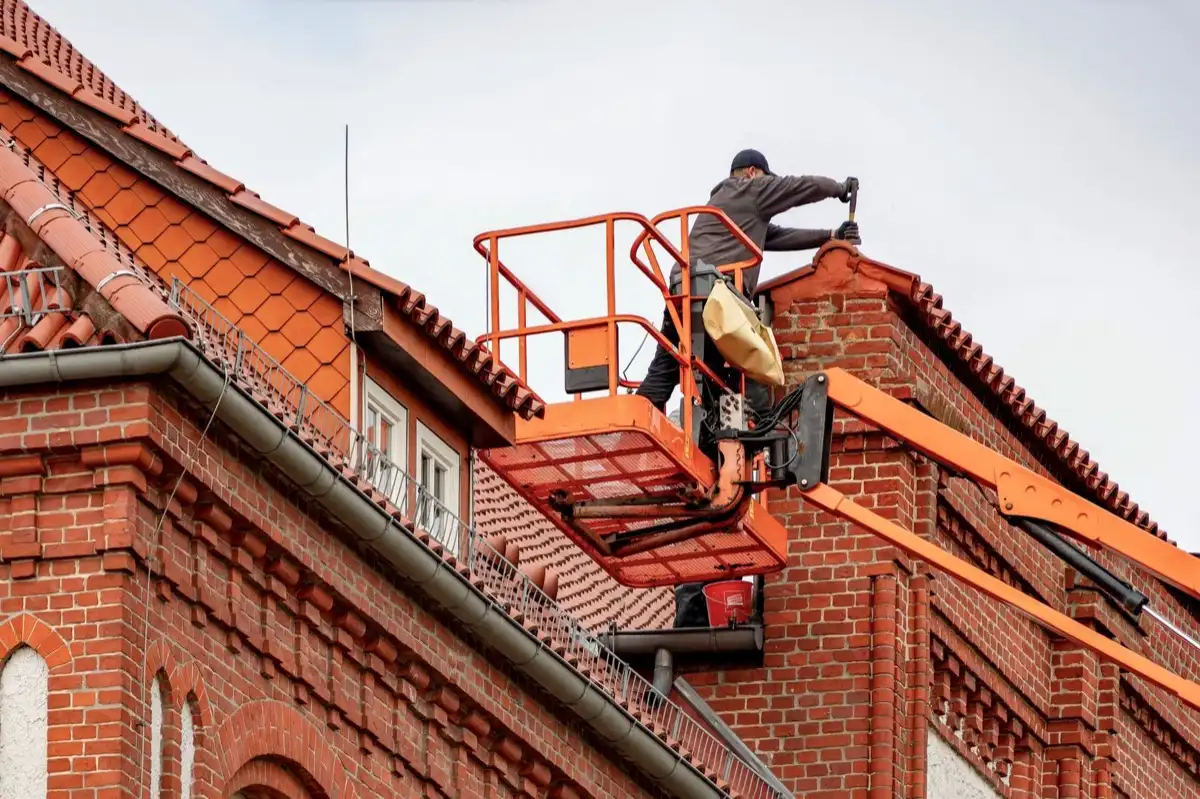
What gets paid on a roof claim in this state is narrower than most people expect, and knowing the boundaries before you call your carrier is worth more than any amount of help afterward. We work claims and we also talk people out of filing them.
South Bend Roof Pros handles roof replacement, roof leak repair, metal roofing, flat and low-slope membrane, gutters and attic ventilation for homes and commercial buildings throughout South Bend, Indiana. We install laminated architectural and SBS-modified shingles, 24-gauge standing seam panels, mechanically fastened TPO and fully adhered EPDM. Residential and commercial work, free inspections, written scopes.
Roofs in this city are judged by what they carry, not only by what they shed. A lake-effect run can lay down a dense wet pack that sits for weeks, so we quote from the deck up: rafter condition, plank or panel sheathing, ring-shank fastening, self-adhered ice-and-water membrane past the wall line, and cap-nailed synthetic underlayment. Cold-weather installs get hand-sealed tabs rather than a wait for spring sun.
The other half of the job is air. A deck that stays as cold as the outside air never starts the melt cycle that ends in a ridge of ice at the eave, so every inspection counts intake against exhaust, checks the soffit bays for blown insulation, and prices baffles and continuous ridge venting alongside the shingles. Free inspections, written scopes, and a written workmanship warranty.
What South Bend Customers Say
They went in the attic first and showed me photos of frost on the decking before anyone talked about shingles. Turned out half my soffit was packed with insulation. New roof, baffles, ridge vent, and the ice at the eave is gone.
Got three quotes and theirs was the only one that explained why the porch roof kept failing. They pointed out the snow sliding off the main slope onto it. Membrane runs up the wall now with metal over the top and it has been dry.
We manage two warehouse buildings and they mapped where snow drifts against the roof step before quoting anything. Fixed the drains, added heat trace, and put us on an autumn and spring walk. No surprises last winter.
Honestly expected to be sold a full replacement. Instead they found the leak at the chimney, told me the roof had years left, and built a cricket above it. Priced fairly and the report had photos of everything.
Why South Bend Chooses South Bend Roof Pros
- ✓We inspect the attic before the roof, because frost on the underside of the decking predicts a failure months before the shingles show it.
- ✓Every scope states the deck treatment, fastening pattern, eave membrane run past the wall line, and the intake-to-exhaust ventilation figures.
- ✓We carry self-adhered ice-and-water membrane past the interior wall line, which on a deep overhang means two courses rather than the single course most bids assume.
- ✓Cold-weather installs get hand-sealed tabs at every rake, eave, ridge, valley and penetration instead of waiting on spring sun to bond the adhesive.
- ✓We decline work we do not believe in: tile conversions on unengineered framing, coatings over wet insulation, and sealed gutter helmets sold as an ice fix.
- ✓Reports separate event damage from pre-existing condition, so an adjuster gets what they need and you do not file a claim that will be denied.
About South Bend Roof Pros in South Bend, IN
South Bend Roof Pros is a registered, insured and bonded roofing contractor working across South Bend, Mishawaka, Elkhart and the rest of Michiana. We install and repair laminated and SBS-modified asphalt shingles, standing seam metal, EPDM and TPO membrane, gutters, soffit and fascia, plus the ventilation that sets how long the rest of it survives here.
Our approach is shaped by one local fact: this region holds a snow pack. That puts weight on framing that was often sized generations ago, and it turns any warm spot on a deck into meltwater that refreezes at the overhang. So we inspect attics before roofs, we price deck and ventilation work as part of the job rather than as an upsell, and we write the reasoning into the proposal so you can check it.
There are jobs we turn down. If your roof has six or eight good seasons left, we will put that in the report and inspect it again next year rather than sell you a replacement.
We will not quote a tile conversion on a house that was not framed for the load, we will not coat a membrane sitting on wet insulation, and we will not absorb your deductible on an insurance job. If any of those is what you are looking for, we are the wrong company.
How It Works
- 1
Attic First, Then the Roof
We start inside with a light and a pin moisture meter, reading the underside of the decking for frost and staining, checking insulation depth at the eave, counting intake against exhaust, and laying a straightedge across the rafters. Most of what shortens a roof here is visible from below long before it shows on the shingles.
- 2
A Scope That Names the Load
The written scope states the deck treatment, the fastening pattern, how far the eave membrane runs past the interior wall line, the ventilation math, and where snow will drift on your particular roof. You get photographs and moisture readings with it, so you can hold our number against anyone else's line by line.
- 3
Tear-Off, Deck Work, Ventilate, Install
We tear off to the deck, replace or overlay sheathing where it is needed, cut and baffle the ridge, reopen blocked soffit bays, then install. Below 50 degrees every tab at a rake, eave, valley or penetration is hand-sealed with asphalt cement rather than left waiting for spring sun.
- 4
Walk It, Clean It, Warranty It
We walk the finished roof with you, run a magnet over the property twice, photograph the completed details, and leave a written workmanship warranty naming the assembly we installed. Anything we flagged as watch-this rather than fix-now is listed with a date, so the next inspection has a starting point.
Commercial Roofing in South Bend & Across Michiana
Commercial buildings in this region fail at the places where the roof changes height.
Parapets, roof steps between an office block and a warehouse bay, screen walls and banks of rooftop units all create surcharge zones where drifted snow stacks to several times the depth on the open field, and those bands are where fastener pull-through, deck deflection and standing water show up. We map them before we specify anything.
Our standard assembly is mechanically fastened 60-mil TPO with increased fastener density in the perimeter and corner zones over tapered polyisocyanurate routed to internal drains, or fully adhered EPDM where penetrations are dense and seams should be few.
Drainage gets treated as a winter system: sumped drains with strainers, heat trace at the bowl and leader where a building has a history of freezing, and overflow scuppers set so a blocked drain cannot load the deck.
We work with property managers on a two-visit schedule, autumn and spring, that catches most problems while they are still a patch rather than a capital line.
- ✓Drift and surcharge mapping at parapets, roof steps and rooftop unit banks
- ✓Mechanically fastened 60-mil TPO with perimeter and corner zone fastening
- ✓Fully adhered EPDM for roofs with dense penetrations and traffic
- ✓Tapered polyisocyanurate laid out to internal drains and scuppers
- ✓Sumped drains, strainers and heat trace at bowls and leaders
- ✓Curb and pitch pocket detailing at rooftop units, with walkway pads
- ✓Sloped coping caps and continuous cleats on masonry parapets
- ✓Autumn and spring maintenance visits with photographed condition reports
Service Areas
South Bend Roof Pros serves South Bend, IN and surrounding communities including:
Recent Projects Across Michiana
Frequently Asked Questions
Why does ice keep forming at the edge of my roof in South Bend?
Because the deck above the heated part of the house is warmer than the overhang past the wall. Heat escaping from the living space melts the bottom of the snow pack, that water runs down the slope, and it refreezes when it reaches the unheated overhang.
A ridge builds there, and once it is thick enough the meltwater behind it backs up under the shingles.
The cure is not chemicals or cable, it is a colder deck: continuous soffit intake, rafter baffles so blown insulation cannot block the bays, an externally baffled ridge vent, and air sealing at the ceiling plane so less warm moist air reaches the attic in the first place.
Can you replace a roof in South Bend during the winter?
Yes, with real conditions attached. We need a dry deck, temperatures we can work safely on, and no active accumulation.
Shingles are stored warm and carried up in small batches, nail guns run at reduced pressure so the head does not cut a cold mat, and every tab at the rakes, eaves, ridge, valleys and penetrations gets hand-sealed with asphalt cement because the factory adhesive will not bond below roughly 50 degrees.
What we will not do is tear off a large section with weather coming, so winter jobs run in smaller stages with the deck dried in each night.
My ceiling is wet but the roof looks fine. Is that still a leak?
Often it is not. A large share of winter calls in this area are condensation rather than penetration. Warm humid air from the house reaches decking sitting near 20 degrees, condenses on the underside, frosts, and then drips during the first mild afternoon. It looks exactly like a roof leak and no amount of sealant will stop it.
We tell the two apart in the attic with a moisture meter, and the fix for condensation is air sealing and intake ventilation, not roofing.
How much snow can my roof actually hold?
That depends on the framing rather than the roofing, which is why our inspection includes a structural pass.
Fresh light snow runs roughly three pounds per square foot per foot of depth, while old settled wet snow can be four or five times that, so two feet of dense pack is a very different load from two feet of fresh powder.
We look for ridge dip under load, split or undersized rafters, cut collar ties, and second layers of shingles adding permanent dead load. If we find deflection we recommend carpentry before roofing.
Are gutter guards or heat cable worth it here?
Usually not as a first purchase. A sealed or fine-mesh gutter cover gives a forming ice ridge a wider flat shelf to build on and makes the resulting mass harder to clear. Heat cable manages a symptom, costs money to run all winter, and does nothing about why the deck is warm.
Under heavy tree cover a coarse open screen you can lift is reasonable, and heat cable earns its place on a geometry that genuinely cannot be ventilated, such as a dead valley against a two-story wall. On most houses that money belongs in soffit intake.
Does homeowners insurance cover ice dam damage in Indiana?
Partly, and the wording matters. Most standard policies name windstorm and weight of ice, snow or sleet as covered perils, so a rafter that deflected or a porch roof that failed under a sustained pack is generally a claim. Interior water damage from meltwater backing up is usually covered too.
What carriers commonly exclude is the cost of removing the ice, and repairs they attribute to wear and tear or to condensation caused by inadequate ventilation. Our reports separate event damage from pre-existing condition explicitly, which is what an adjuster needs to see.